


 Tiếng Việt
Son Doong Cave is widely recognized as the largest natural cave in the world. It is located deep in the jungle of Phong Nha – Ke Bang National Park, a UNESCO World Heritage Site in Quảng Bình, Vietnam.
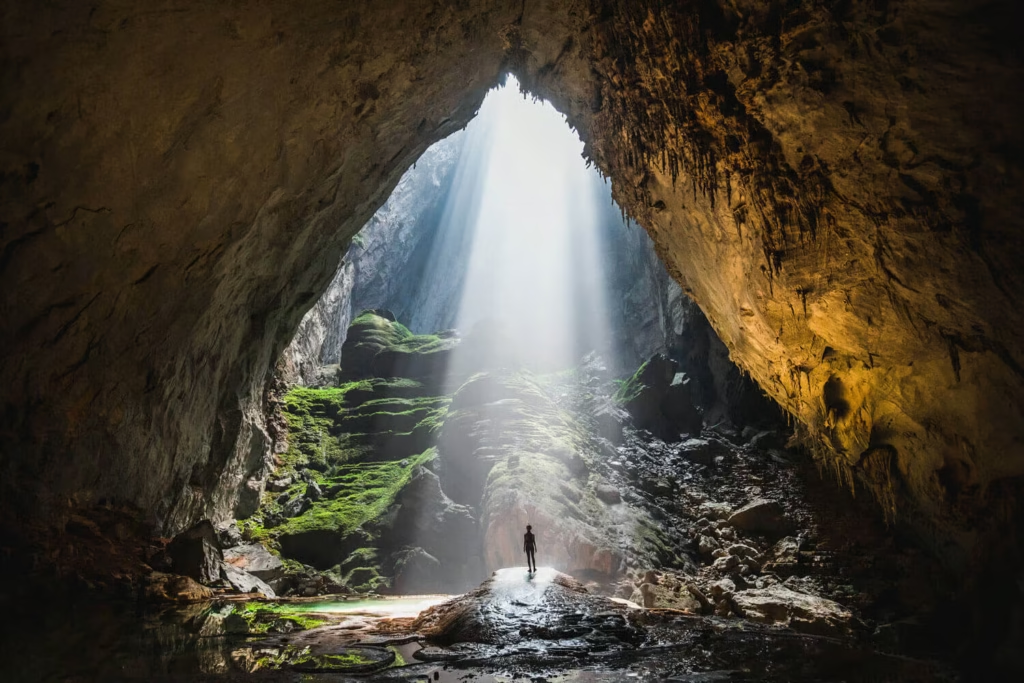
Son Doong Cave – located at coordinates 17°27’25.88″ North, 106°17’15.36″ East, in Sơn Trạch Commune, Bo Trach District, Quang Binh Province – is the largest natural cave in the world. The cave is part of the cave system of Phong Nha – Ke Bang National Park.
Sơn Đoòng Cave is part of an underground system connected to more than 150 other caves in Vietnam, located near the border with Laos.
The cave is considered a “magnificent and astonishing natural masterpiece”, featuring numerous spectacular stalactites and stalagmites with unique and unusual shapes. One of its most extraordinary features is a section that contains an entire primeval forest growing inside the cave.

Geological scientists around the world have recognized Son Doong Cave as the most magnificent cave on Earth.
Son Doong cave discovery and survey timelines
Son Doong Cave was first discovered in 1991 when Ho Khanh, a local resident, accidentally found the cave entrance while seeking shelter from the rain. However, it was not until 2006, when a team from the British Cave Research Association arrived in the area for exploration, that Hồ Khanh informed them about the cave.

It took considerable effort for him to relocate the entrance, which lies deep within dense jungle terrain, far from major roads and extremely difficult to access. The cave was so hidden that it could not even be detected on satellite imagery such as Google Earth. Hồ Khanh himself also gave the cave its name.
On April 5, 2009, after successfully locating and exploring Son Doong Cave, the British exploration team made a discovery that astonished the world. The finding of Son Doong was often compared to discovering Mount Everest beneath the Earth’s surface.
Dr. Howard Limbert announced the discovery of this extraordinary cave in Vietnam, which the expedition confirmed to be the largest cave in the world. Major international newspapers such as Daily Mail, The Telegraph, The Sun, Breitbart, and Newser widely reported on the discovery of Son Đoong Cave.
The British expedition team also honored Ho Khanh by allowing him to name the cave. The Daily Mail featured a large headline on its front page stating: “British explorers find the light at the end of the tunnel… in the world’s largest cave.” Meanwhile, The Telegraph acknowledged Hồ Khanh’s contribution as the local guide who led the expedition into the remote Đoong valley to discover the cave.
Since its discovery, Son Doong Cave has welcomed dozens of documentary crews from famous media organizations from countries such as the United Kingdom, Germany, Japan, and the United States, all eager to showcase this natural wonder to the world.
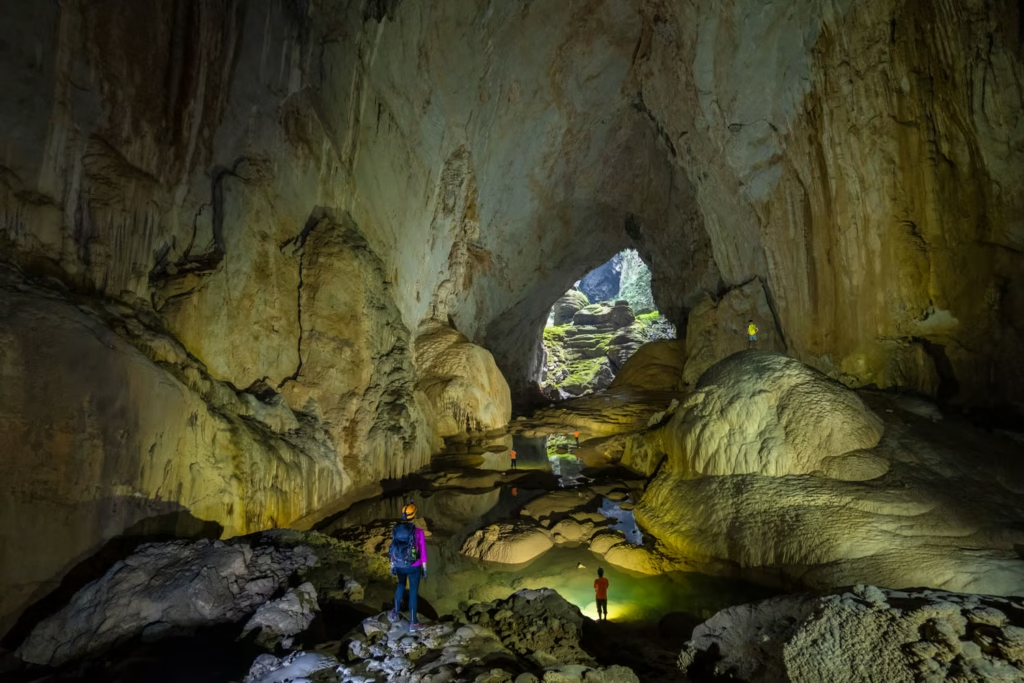
Inside Sơn Đoòng Cave, the largest chamber stretches more than 6 kilometers in length, with a height of 150 meters and a width of 200 meters.
Thanks to its enormous size, Son Doòng surpassed Deer Cave in Gunung Mulu National Park, Malaysia, to become the largest cave in the world.
The cave also features an incredibly beautiful system of stalactites and stalagmites, including breathtaking formations resembling a “Garden of Eden” deep inside the cave, as well as a remarkable collection of ancient cave pearls that have formed over tens of thousands of years.
The discovery, exploration, and global announcement of Son Doong Cave have helped transform the Phong Nha – Ke Bang National Park cave system into one of the most famous “kingdoms of caves” in the world.

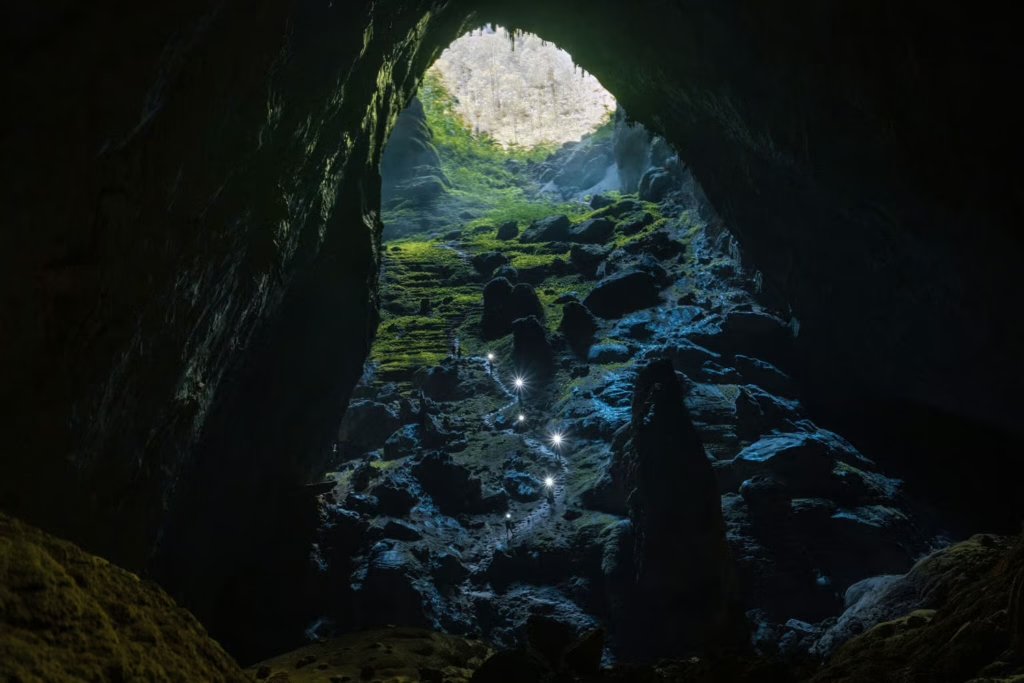
The entrance to Son Doong Cave:
“Although these caves are incredibly large, they are almost invisible until you are standing right in front of them,” one explorer remarked. Hunters first discovered them when they noticed strong winds blowing upward from the underground cave entrances.
If you are passionate about photography, this place is truly a spectacular destination.

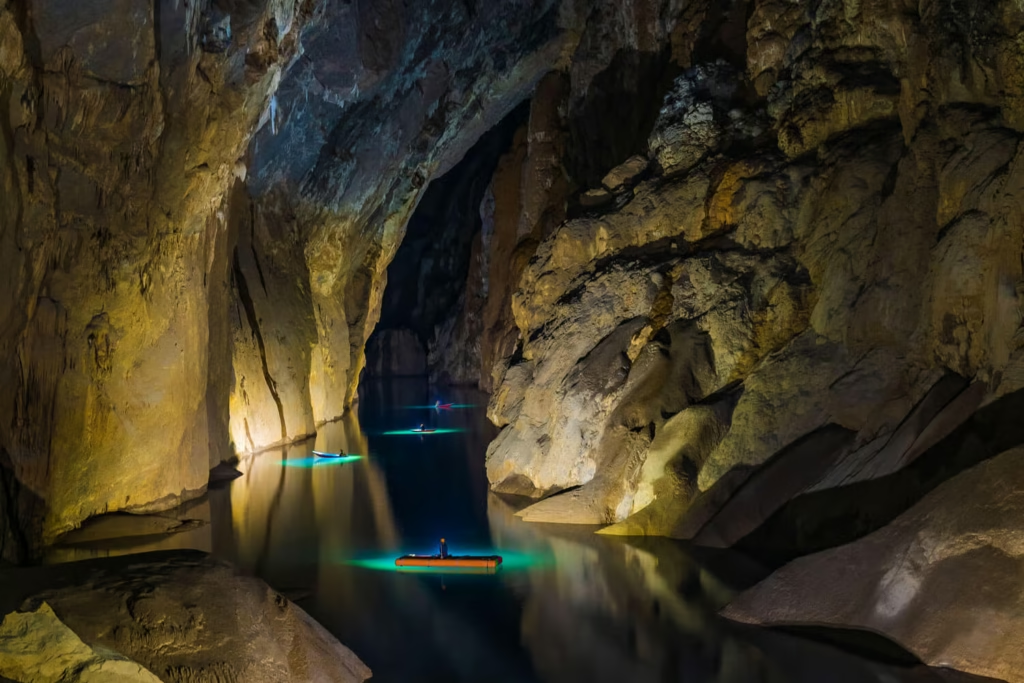
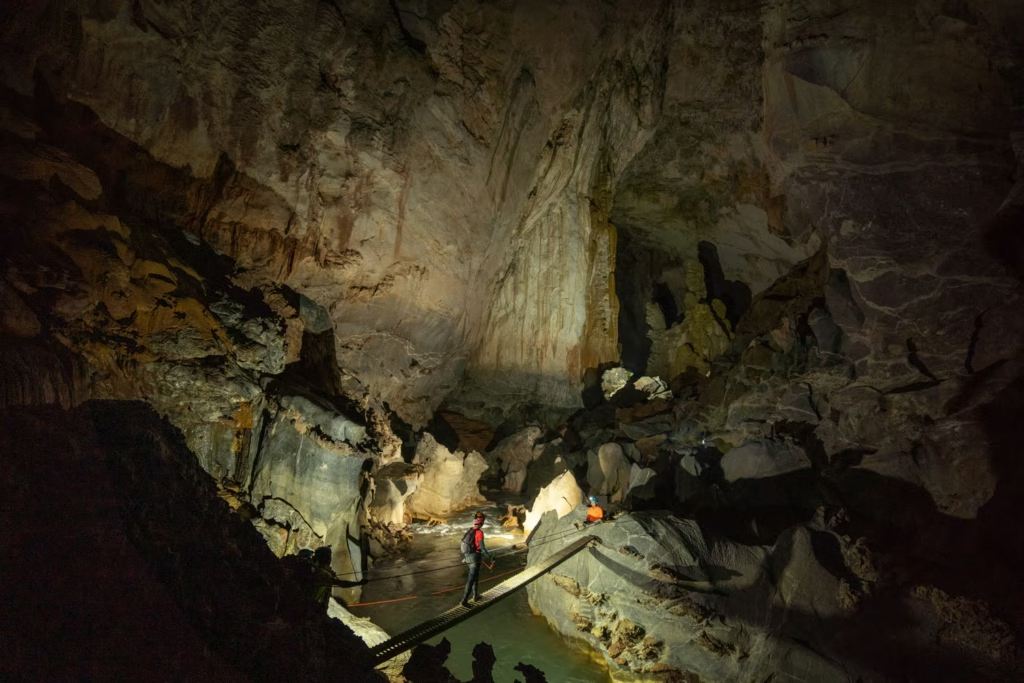
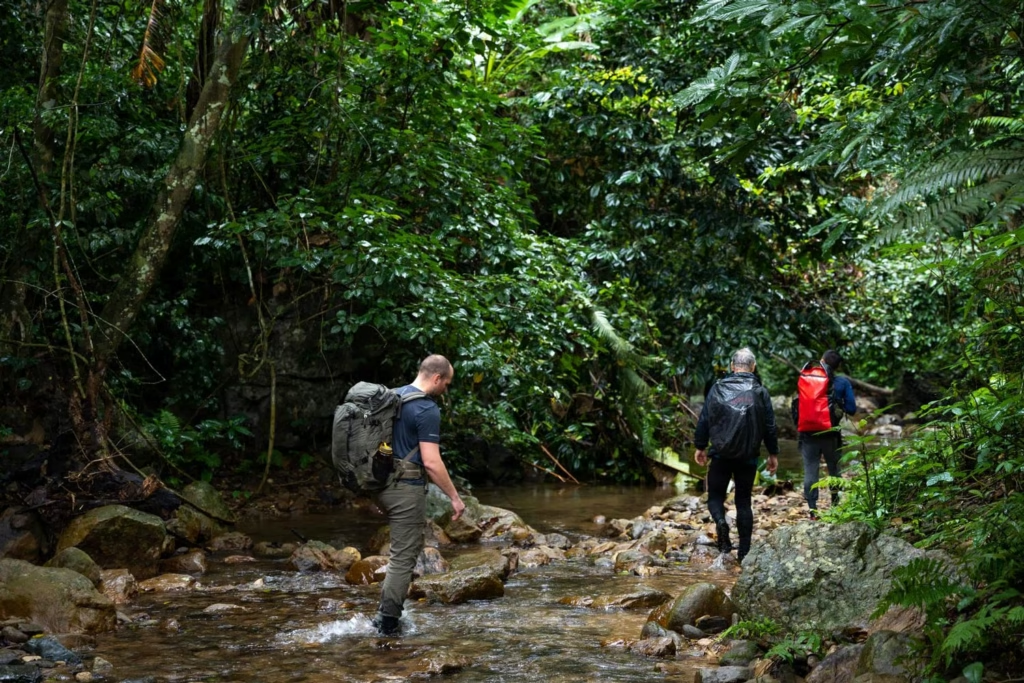
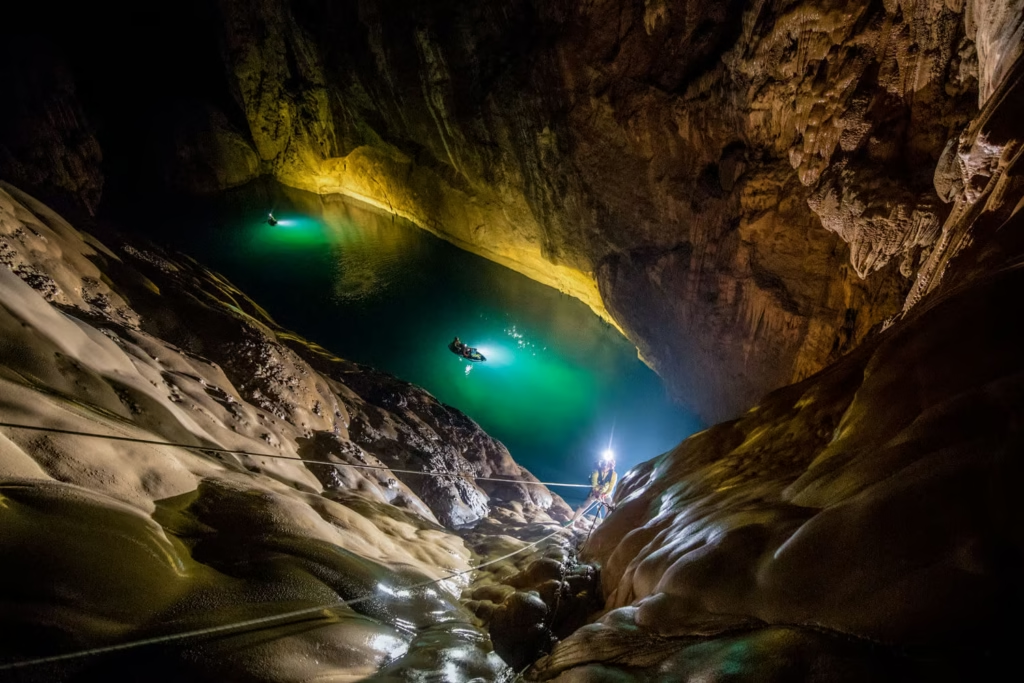
The path from the entrance into Son Doong Cave is very steep, making the descent quite difficult. Visitors must follow a fast-flowing underground river in order to travel deeper into the cave.

A section of Son Đoong Cave is about 92 meters wide, with a massive dome reaching nearly 244 meters across. This enormous chamber is large enough to contain a 40-story building in New York, United States.
The geological formations here are so vast and majestic that they exceed human imagination. According to Howard Limbert, the widest part of Son Doong Cave is so spacious that three large aircraft could fly side by side comfortably.

Son Doong Cave is believed to have formed 2–5 million years ago, when river water flowed through a buried limestone region along a geological fault line. Over time, the flowing water eroded and carved out a massive underground tunnel beneath the mountain range.
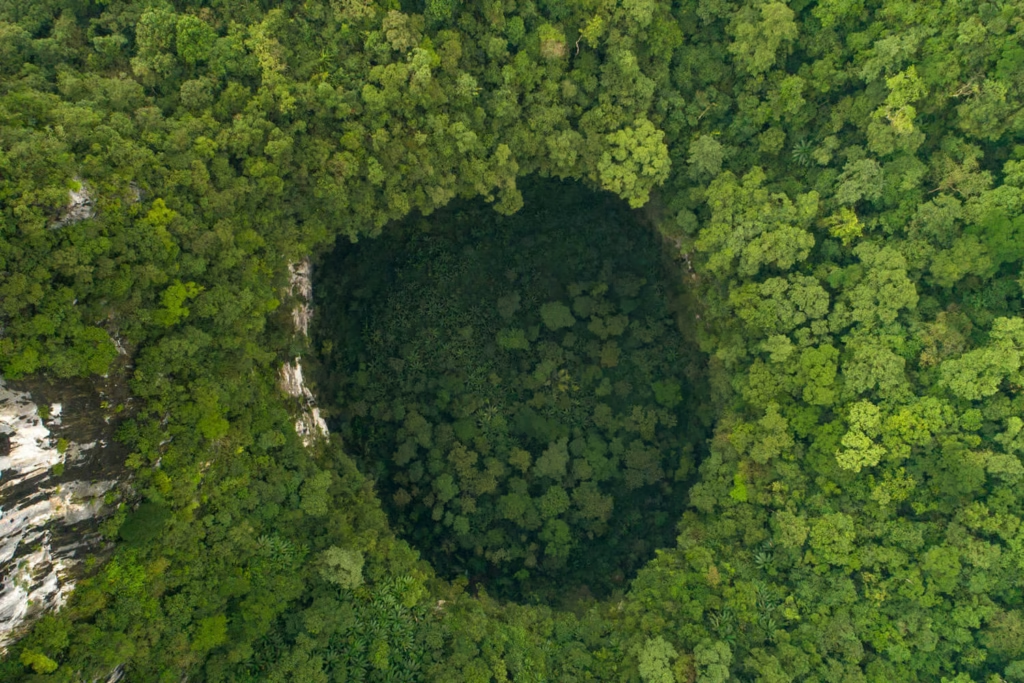
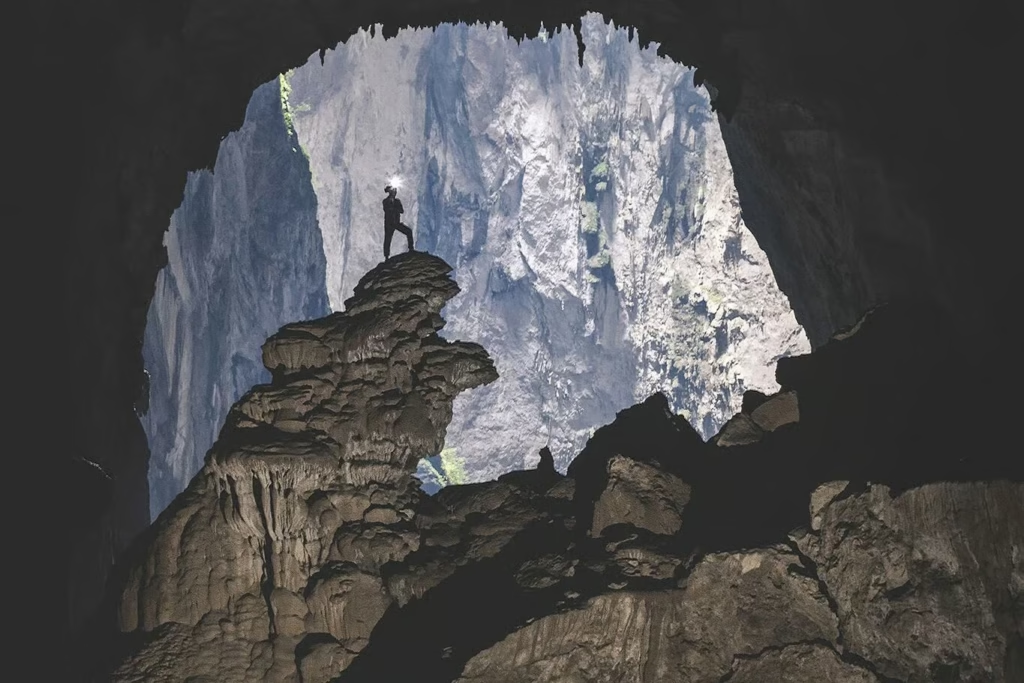
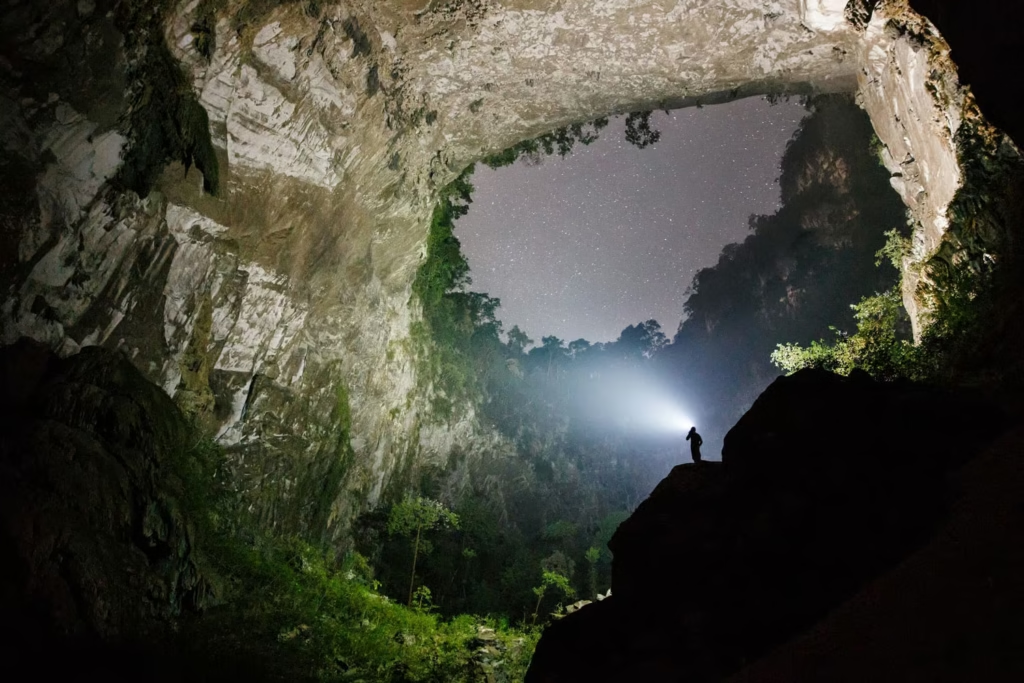
In areas where the rock was softer, sections of the cave ceiling collapsed, creating large openings. Over thousands of years, these openings developed into enormous cave domes.
Deep inside Son Doong Cave, there are also giant natural pools, crystal clear and extremely deep, adding to the cave’s mysterious and breathtaking beauty.

A waterfall inside Son Doong Cave was discovered through a “doline” (collapsed sinkhole), often referred to as a “sinkhole entrance.”

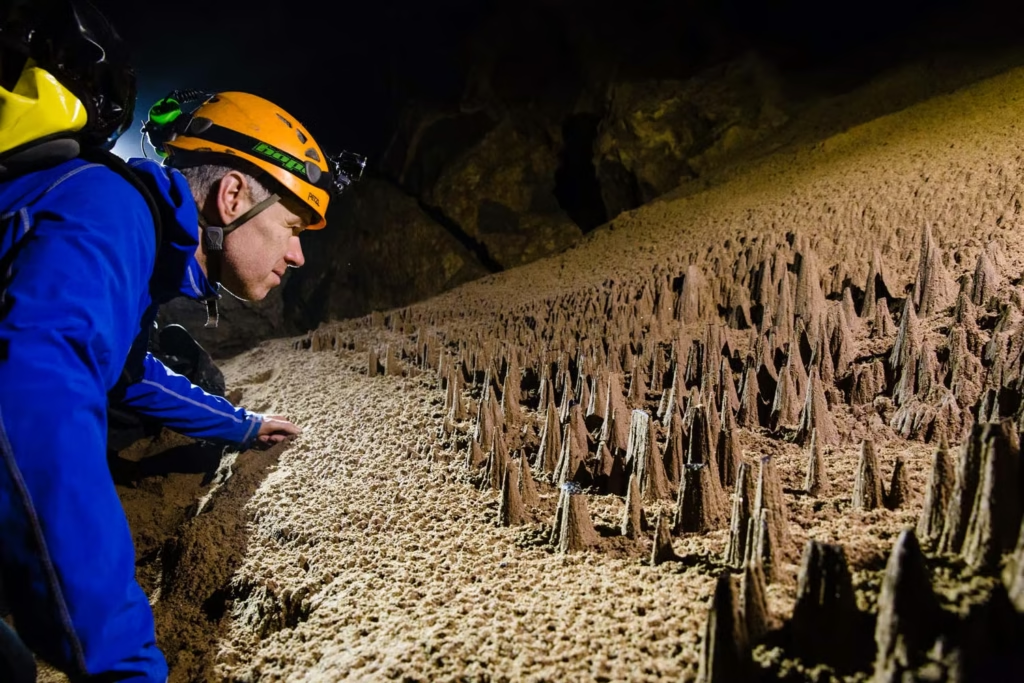
And here are the “rib-like formations” — a perfect natural sculpture created by nature inside Sơn Đoòng Cave.

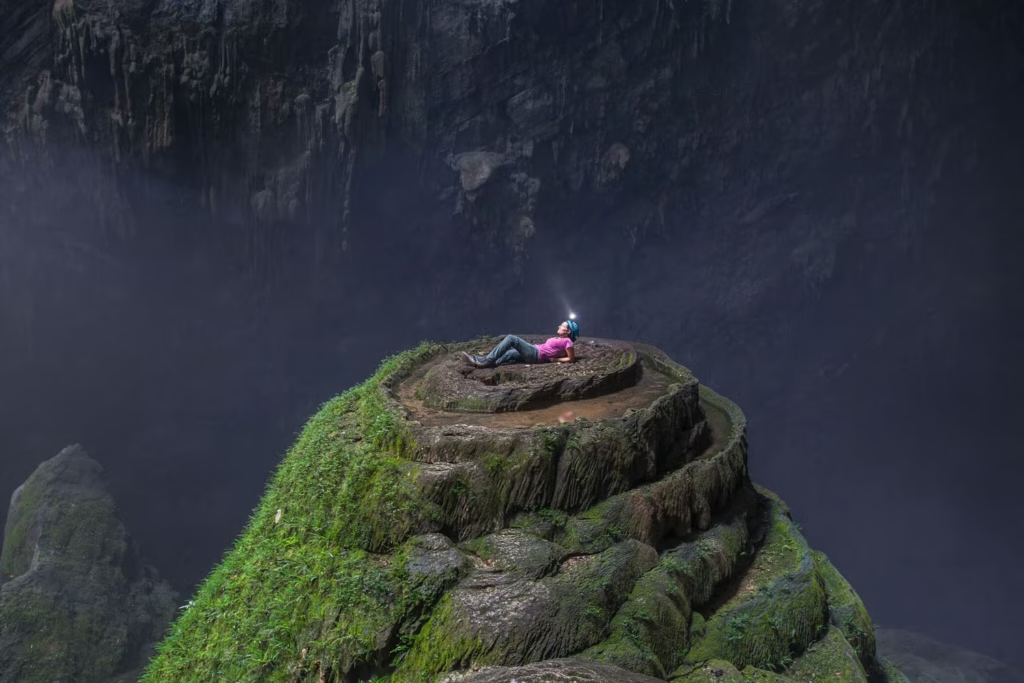
A section of the ceiling of Son Doong Cave collapsed many years ago, allowing sunlight to pour inside. This created the perfect conditions for lush vegetation to grow, forming a spectacular forest deep within the cave. Explorers named this area the “Garden of Eden.”
The Garden of Eden covers a vast area, featuring diverse plant life and expansive pools of water surrounded by clusters of forest trees and various types of vegetation. It forms a rich tropical ecosystem, especially notable for the dense network of climbing vines that stretch across the rocks.

This area is an ideal habitat for many species of plants and wildlife. Somewhere within the forest, you can hear birds singing among the trees and the sound of water flowing through mountain streams, creating an impressive and majestic atmosphere across this vast landscape.
Within the “Garden of Eden” inside Son Doong Cave, scientists from the exploration team discovered three new species, including a millipede, a wood louse, and another type of crustacean.
In this underground forest, there are nearly 400 species of plants, along with several bird species that have migrated from outside the cave to live here. Many of these birds are remarkably beautiful and unusual.

From above the caves of Phong Nha – Ke Bang National Park, you can see rolling hills stretching across the landscape. The traces of war still remain through time, where bomb craters from past conflicts have now turned into small fish ponds.
Lush green fields, fertile land, rivers, mountains, and rice paddies together create a beautiful and captivating natural scenery. All of this evokes the peaceful and tranquil atmosphere of a quiet countryside.

Wherever sunlight and wind reach inside Son Doong Cave, life begins to flourish in vibrant shades of green. This creates a world completely different from the bare, pitch-dark environment typically found in most other caves.

Cave pearls found in the terrace pools inside Son Đoong Cave reveal an almost unbelievable beauty. Formed naturally over tens of thousands of years, calcium crystals gradually coated tiny grains of sand, creating these rare “cave pearls.”
This priceless “collection of pearls” is located near the Garden of Eden inside Son Doong Cave.

This is a gigantic stalactite wall about 70 meters high, rising at a depth of more than 6 kilometers inside Son Doong Cave. This massive wall has been named the “Great Wall of Vietnam.”
Located deep within the cave, it is often referred to as the Vietnamese Great Wall because of its immense size and imposing appearance. Beyond this wall lies the second entrance to the cave.

Come and visit Son Doong Cave to explore this magnificent cave, the most spectacular in the world. Here, you will immerse yourself in pristine mountain forests and untouched nature, listening to the cheerful songs of birds, the gentle murmuring of streams, and the rustling winds of the UNESCO World Natural Heritage site Phong Nha – Ke Bang National Park.
Visitors can also enjoy many exciting activities such as camping, fishing, swimming in mountain streams, observing langurs, and visiting Ban Doong, a remote highland village where you can experience the simple and traditional lifestyle of local ethnic communities living within the heritage area.
Tasting local specialties prepared by local people will make your journey even more memorable. It is truly an unforgettable travel experience.


How to Get to Son Doong Cave
Most tours begin from Đong Hoi, the capital city of Quang Binh.
Travel options to Dong Hoi:
- Domestic flights
- Train from Ha Noi or Ho Chi Minh City
- Bus services
From Dong Hoi, visitors travel to Phong Nha – Ke Bang National Park, where the expedition begins.
Nearby Attractions in Quang Binh
When visiting Quang Binh, travelers often combine their trip with other famous attractions:
- Paradise Cave
- Phong Nha Cave
- Mooc Spring
- Chay River – Dark Cave
- Nhat Le Beach
Travel Tips Before Exploring Son Doong
Before joining a Son Doong Cave expedition, visitors should:
- Maintain good physical fitness
- Prepare for trekking and climbing
- Follow guide instructions carefully
- Protect the cave ecosystem
This expedition is suitable for adventure travelers and nature explorers.
Why Son Doong Cave Is a Must-Visit Destination
Son Doong Cave is not just a cave—it is an entire hidden world beneath the Earth. With its giant chambers, underground rainforest, rivers, and rare geological formations, it represents one of the most extraordinary natural wonders on the planet.
For travelers seeking the ultimate adventure experience, exploring Son Doong is truly a once-in-a-lifetime journey.
